
 Limitations and Uncertainties
Purpose of This Page
Historical reconstruction is necessarily constrained by the nature of the surviving evidence. This page sets out the principal limitations, uncertainties, and unresolved questions associated with the research presented on this website.
By documenting these openly, the aim is to allow readers to evaluate the conclusions with full awareness of the evidential boundaries within which they have been reached.
Limitations of the Manuscript Record
The primary sources for 1066 are limited in number and uneven in detail. Although the earliest manuscripts provide valuable testimony, they are not comprehensive narratives.
Key limitations include:
- Brevity of entries in some early sources
- Lack of consistent geographical precision
- Scribal mediation and selective emphasis
- Loss of contemporaneous materials that may once have existed
The absence of detail in the earliest manuscripts does not imply certainty in later elaborations; rather, it places limits on what can responsibly be inferred.
Linguistic and Philological Uncertainty
Medieval Latin and Old English terms relating to landscape, movement, and military activity are often polyvalent. In some cases:
- A single term may carry multiple meanings
- Later translators have imposed anachronistic interpretations
- Geographical terminology may be descriptive rather than technical
Where ambiguity exists, alternative readings are documented rather than resolved conclusively. Interpretations are therefore provisional and subject to revision.
Topographical Change Over Time
The physical landscape of Sussex has changed significantly since the 11th century. Factors affecting interpretation include:
- Coastal erosion and silting
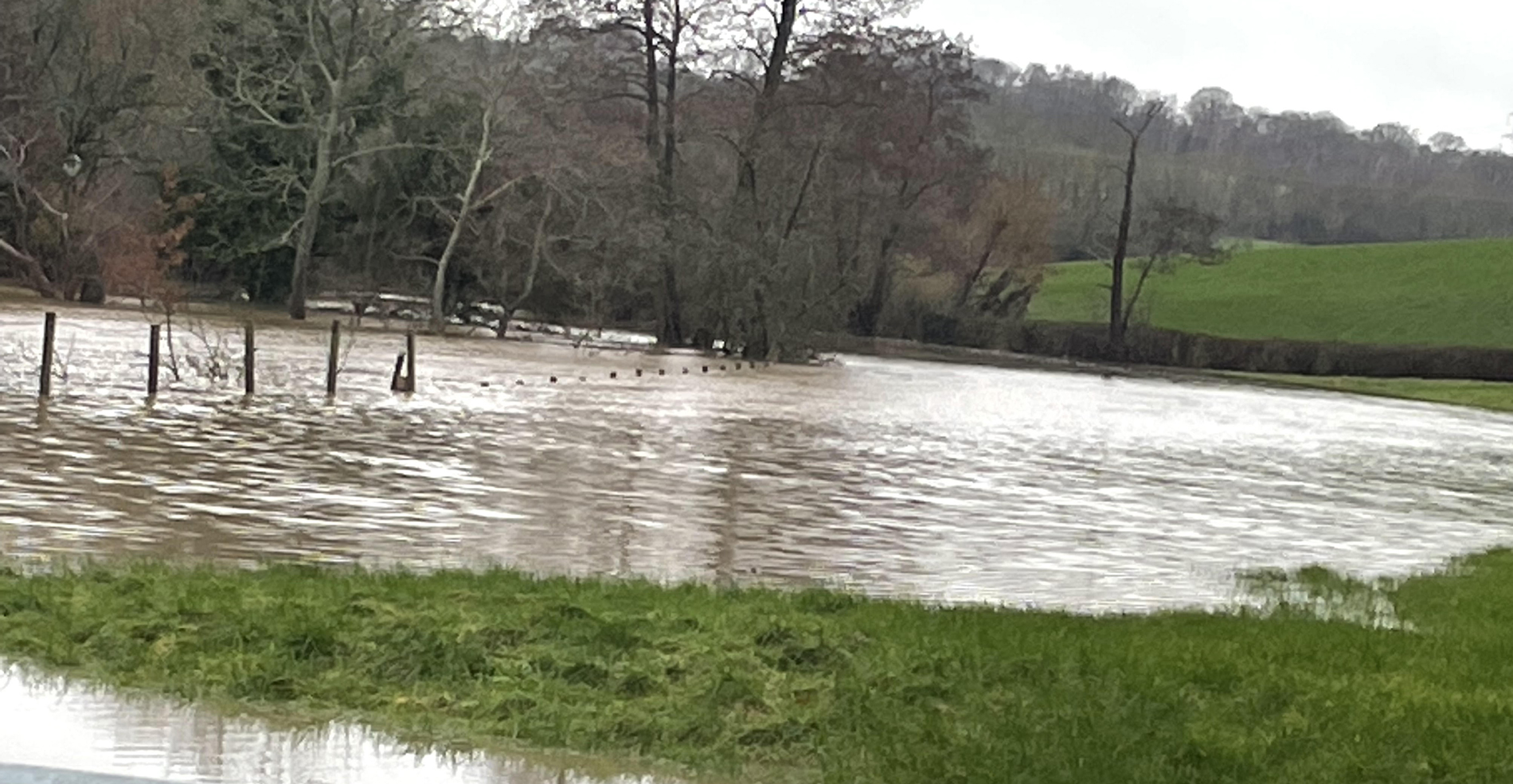
- Changes in river courses and wetlands
- Medieval and post‑medieval land use
- Agricultural modification and modern development
While topographical analysis can identify constraints and consistencies, it cannot reproduce the 1066 landscape with absolute certainty.
Archaeological Constraints
The archaeological record relevant to the Battle of Hastings remains limited. Key constraints include:
- Sparse excavation directly related to the battle
- Difficulty distinguishing battle‑related material from later activity
- Incomplete investigation of alternative sites
The absence of archaeological confirmation does not disprove textual or topographical arguments, but it does limit the degree of certainty that can be claimed.
Chronological Uncertainty
The sequence and timing of events in 1066 are reconstructed from sources written with different priorities and levels of detail. As a result:
- Timelines derived strictly from manuscript evidence may differ from later harmonised chronologies
- Some movements and intervals remain uncertain
- Later narrative coherence may reflect retrospective interpretation rather than contemporary record
Chronological reconstructions presented on this site should therefore be understood as reasoned models rather than definitive accounts.
Interpretative Boundaries
This research does not claim:
- To provide a complete narrative of the Norman Conquest
- To resolve all questions surrounding the Battle of Hastings
- To substitute interpretation for evidence
Its purpose is to test specific assumptions against early sources and physical constraints, not to assert finality.
Provisional Nature of Conclusions
All conclusions presented on this website are provisional and subject to reassessment in light of:
- New manuscript analysis
- Archaeological investigation
- Improved landscape reconstruction
- Scholarly critique and debate
Readers are encouraged to treat the material as an evolving research project rather than a closed argument.
Invitation to Review and Challenge
Constructive critique is essential to historical inquiry. Scholars and researchers are invited to:
- Examine the evidence presented
- Challenge interpretations
- Propose alternative readings
- Identify weaknesses or oversights
Correspondence relating to these issues is welcomed via the Peer Review & Academic Correspondence page
Relationship to Other Pages
This page should be read alongside:
Together, these pages define the evidential scope, analytical process, and interpretative limits of the research.